ABOUT MR STUTCHFIELD
How do gallstones cause problems?
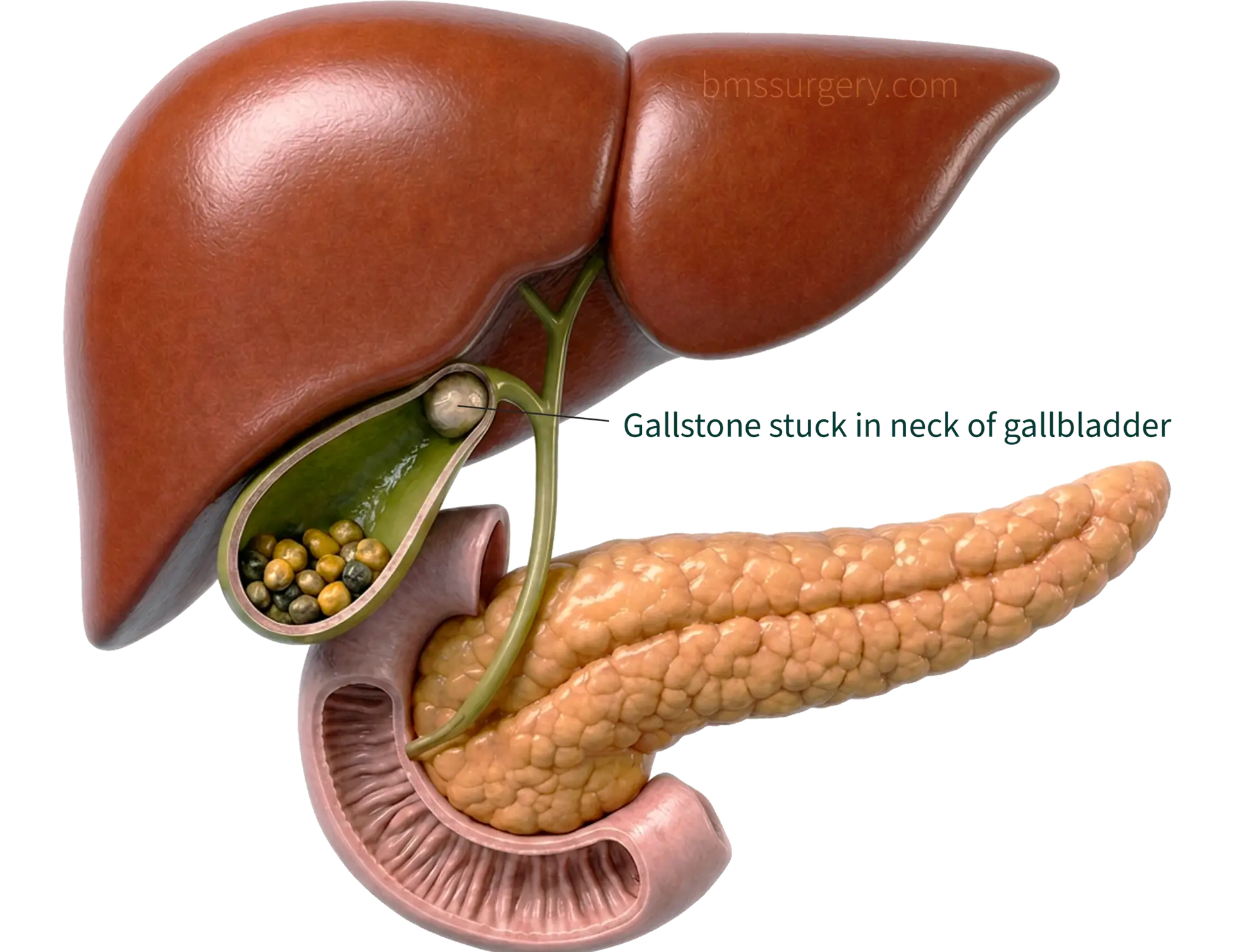
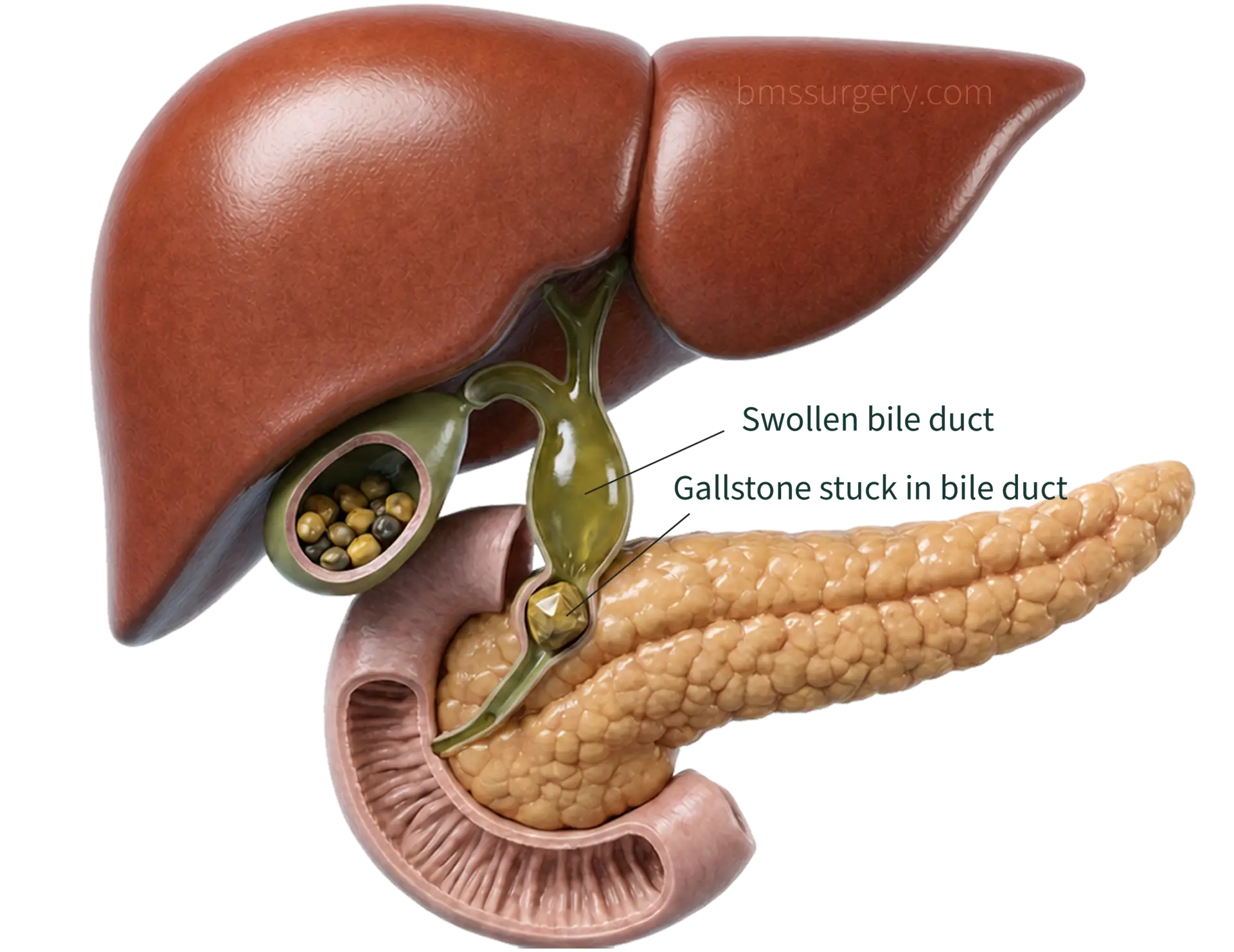
Gallstones form in the gallbladder, a small pouch beneath the liver. They cause trouble when they move and get stuck. Select each stage to see what happens.
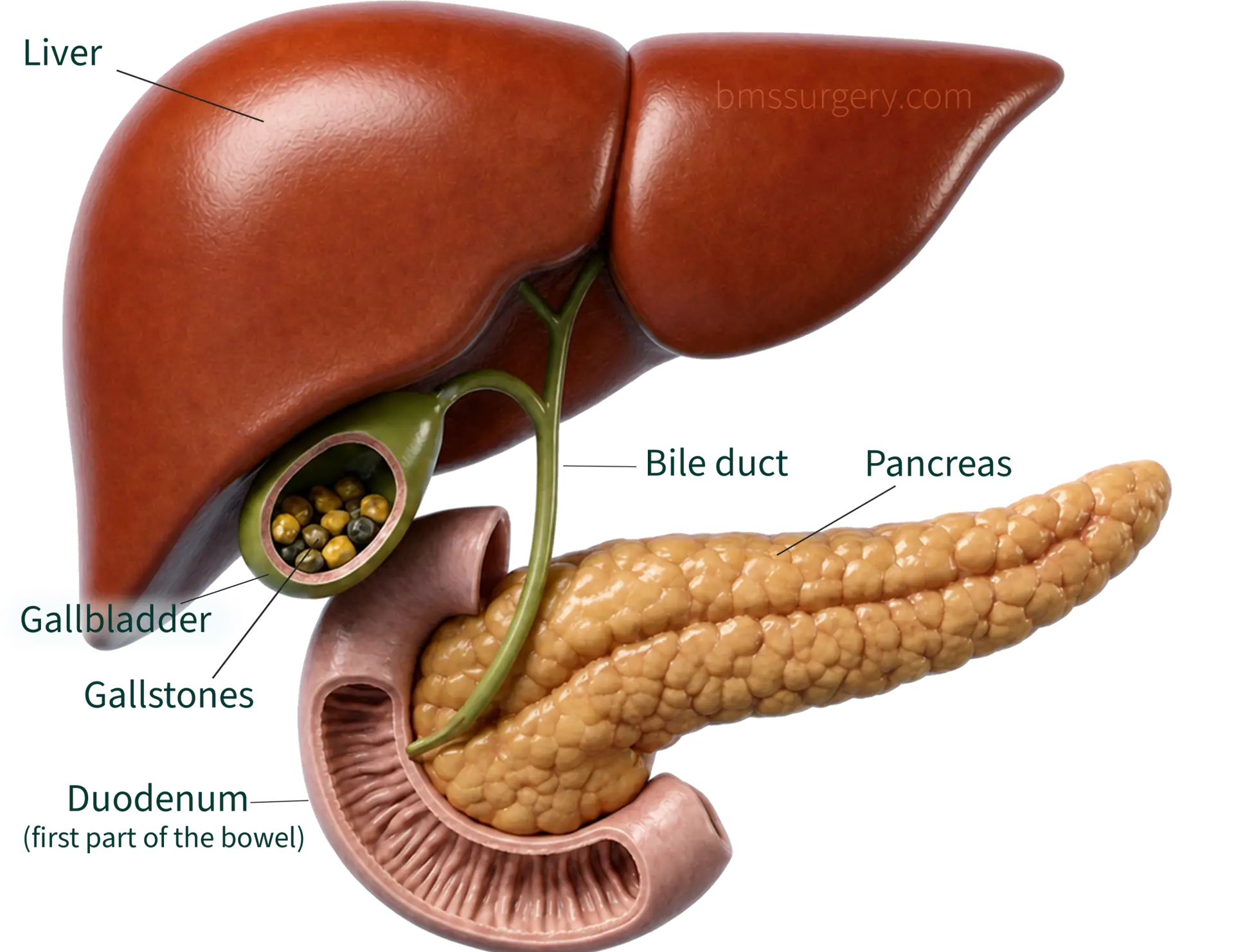
Stones sitting in the gallbladder
The liver makes bile and stores it in the gallbladder. Bile drains through the bile duct into the duodenum, the first part of the bowel. Gallstones form when bile hardens into small stones inside the gallbladder. Many people have them and never know.
Typical symptoms: often none. Some people notice bloating or discomfort, especially after fatty meals
Understanding your diagnosis and treatment options
How gallstones are confirmed, what keyhole gallbladder removal involves, and how to weigh surgery against leaving stones alone.
Gallstones are usually diagnosed with an ultrasound scan, which is the most common first test for gallbladder symptoms. Blood tests may also be arranged to look for infection, inflammation, or signs that a stone has blocked the bile duct. CT scans can be helpful when symptoms are unclear or complications are suspected. A type of MRI scan, called an MRCP, gives detailed views of the bile ducts and may be used to look for stones that may have passed into the bile duct.
Tests for gallstones and gallbladder symptoms
1
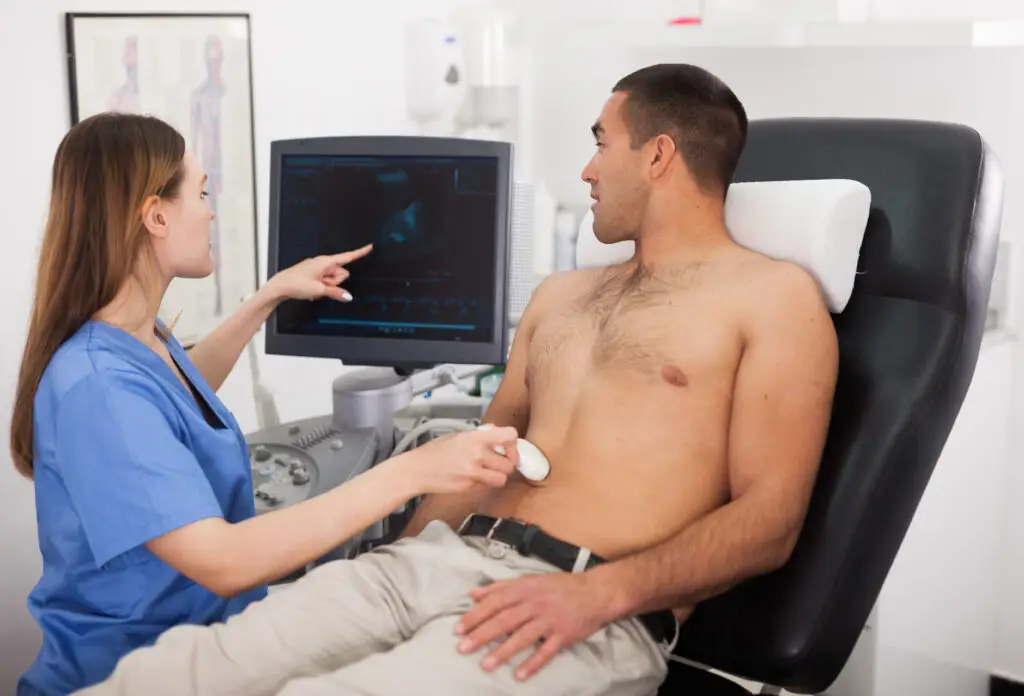
Ultrasound · usual first test
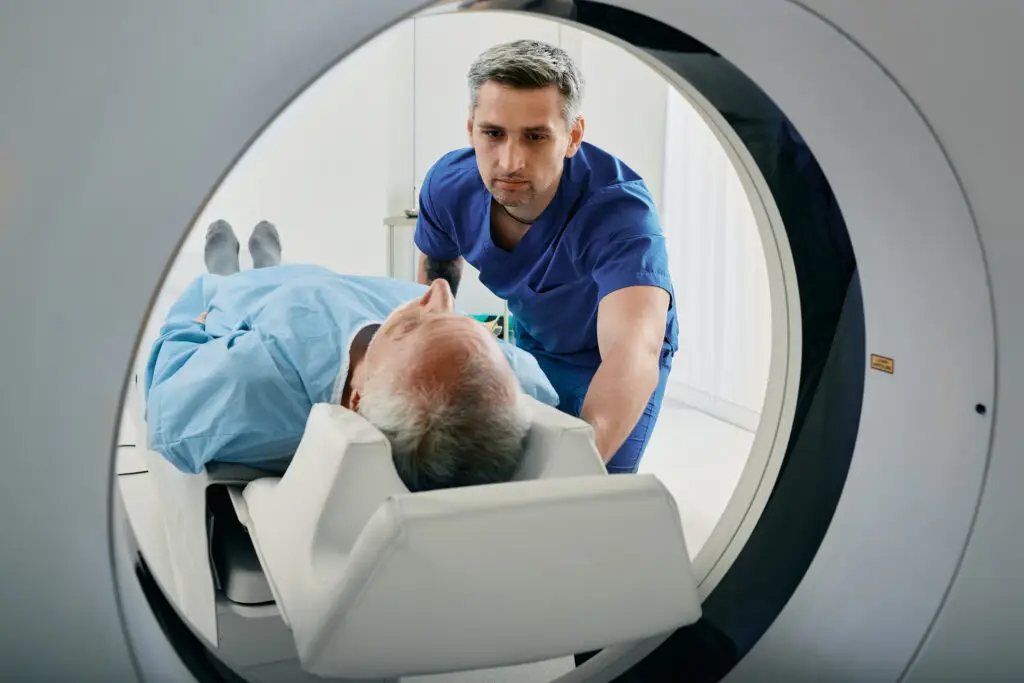
CT · unclear symptoms or complications
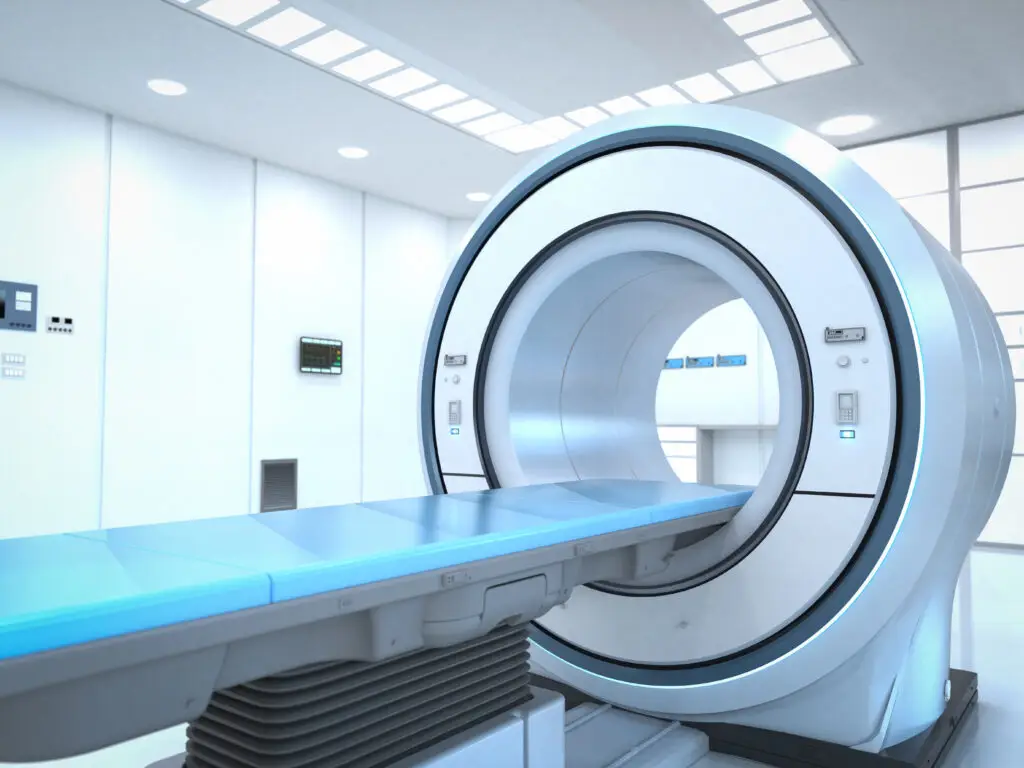
MRI (MRCP) · stones in the bile duct
When gallstones cause pain or complications, the best treatment is to remove the gallbladder. This operation is called a cholecystectomy. The gallbladder stores bile, but it is not essential, and most people notice little difference in digestion after surgery.Gallbladder removal is usually done as a keyhole (laparoscopic) procedure using small cuts and a camera. Risks are low, and long-term outcomes are excellent. Living without a gallbladder is safe and generally brings lasting relief from gallstone symptoms.
Keyhole
small cuts, minimally invasive
Same day
most people can go home
1-2 weeks
getting back to normal activities
2 weeks
usual time off work
Gallbladder removal surgery
2

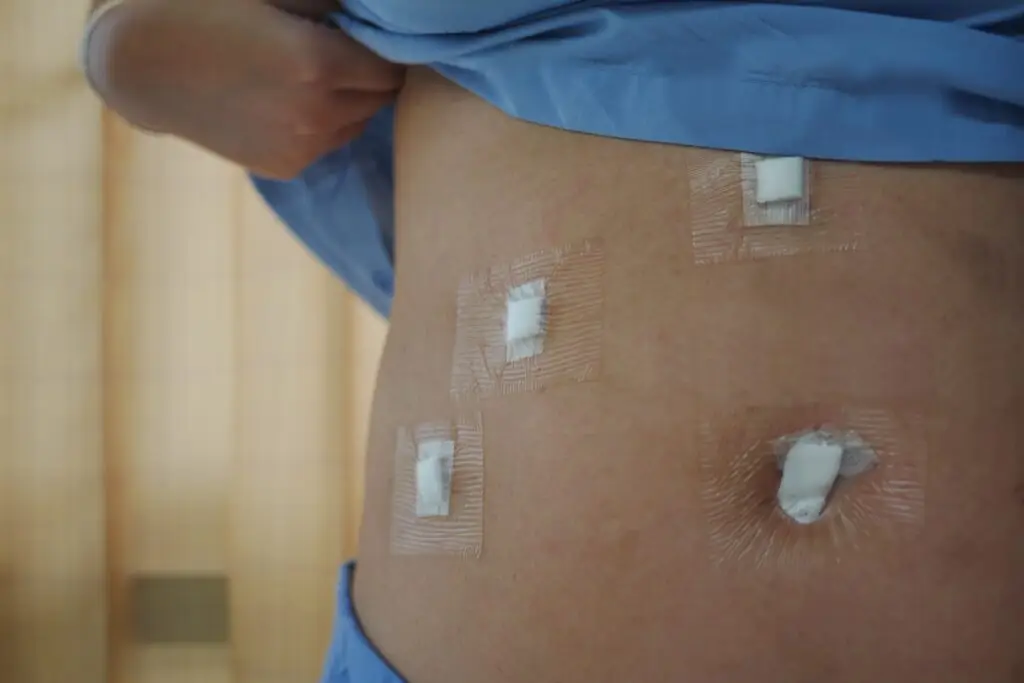
When gallstones cause pain or complications, the best treatment is to remove the gallbladder. This operation is called a cholecystectomy. The gallbladder stores bile, but it is not essential, and most people notice little difference in digestion after surgery. Gallbladder removal is usually done as a keyhole (laparoscopic) procedure using small cuts and a camera. Risks are low, and long-term outcomes are excellent. Living without a gallbladder is safe and generally brings lasting relief from gallstone symptoms.
With surgery
Removing the gallbladder prevents gallbladder-related complications. However every operation carries risks, such as infection, bleeding, or injury to nearby structures, as well as the chance of being worse after surgery than before. The majority of patients do not have problems with digestion once the gallbladder has been removed, as it the gallbladder is generally not working properly anyway.
Without surgery
Many people have gallstones without symptoms, and in these cases surgery is usually not recommended. Risks of gallstones include inflammation of the gallbladder (cholecystitis), infection, jaundice caused by a blocked bile duct, and pancreatitis, which can be serious. These problems may come on suddenly and require urgent hospital care.
Decisions are made on an individual basis after careful discussion
Balancing risks and benefits
3
Frequently asked questions
4
What to expect
From first enquiry to treatment - a clear, unhurried pathway
1
2
3
Enquire
Book consultation online or email bms@bmssurgery.com for a quick, no cost opinion on whether an appointment would help. GP referral not required unless requested by insurer.
Consultation
See Mr Stutchfield at Spire Murrayfield or Shawfair Park hospital, usually within 1-2 weeks. Self-pay £200, or use your insurance. Return appointments £150.
Management plan
A clear, personalised plan, focussed on the best possible outcome for you. If tests or surgery are advised, self pay patients will receive a quote before anything is booked.
Spire Murrayfield Hospital
122 Corstorphine Road, Edinburgh EH12 6UD
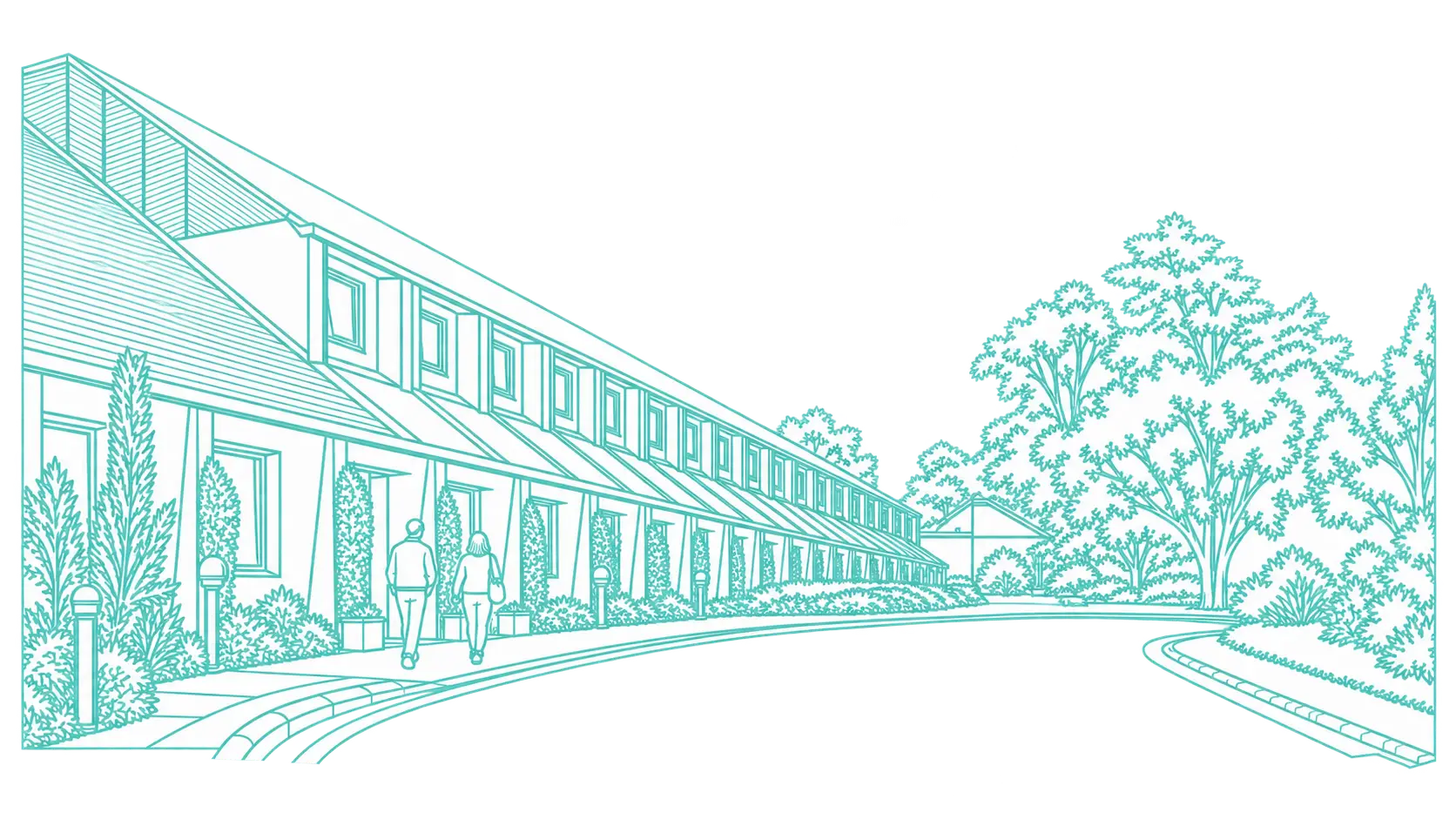
Spire Shawfair Park Hospital
10 Easter Shawfair, Edinburgh, EH22 1FE