Specialist hernia surgeon in Edinburgh
Expert assessment, clear advice and treatment tailored to you
Mr Ben Stutchfield
Consultant General and Transplant Surgeon, Royal Infirmary Edinburgh. Private consultations at Spire Murrayfield and Spire Shawfair Park.​
Specialist hernia surgeon in Edinburgh
Expert assessment, clear advice and treatment tailored to you
Mr Ben Stutchfield
Consultant General and Transplant Surgeon, Royal Infirmary Edinburgh. Private consultations at Spire Murrayfield and Spire Shawfair Park.​
Specialist hernia surgeon in Edinburgh
Expert assessment, clear advice and treatment tailored to you​
Mr Ben Stutchfield
Consultant General and Transplant Surgeon, Royal Infirmary Edinburgh. Private consultations at Spire Murrayfield and Spire Shawfair Park.​
- Consultations within 1-2 weeks
- Self pay and insured patients welcome
- Spire Murrayfield & Shawfair Park
- GP referral usually not required
Could a hernia be causing my symptoms?
An abdominal bulge, discomfort or heaviness may suggest a hernia
Do I need hernia surgery?
Some patients can be managed conservatively, while others benefit from hernia repair depending on their symptoms, examination findings and overall health
What is a hernia?

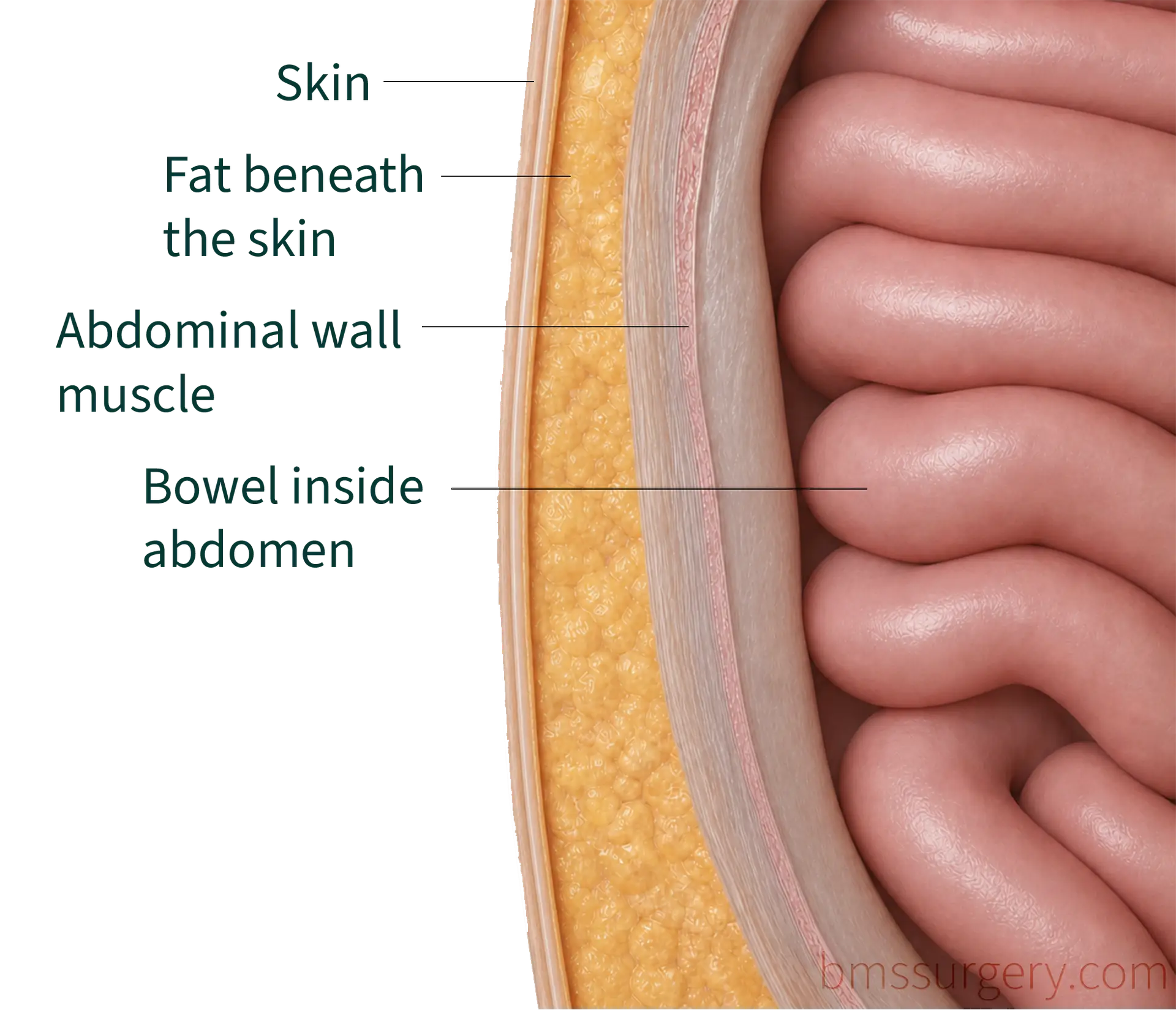
1. The abdominal wall
The abdominal wall is made of layers of muscle and tissue that support and protect the organs inside your abdomen. Normally, the bowel and other tissues remain behind this strong layer.

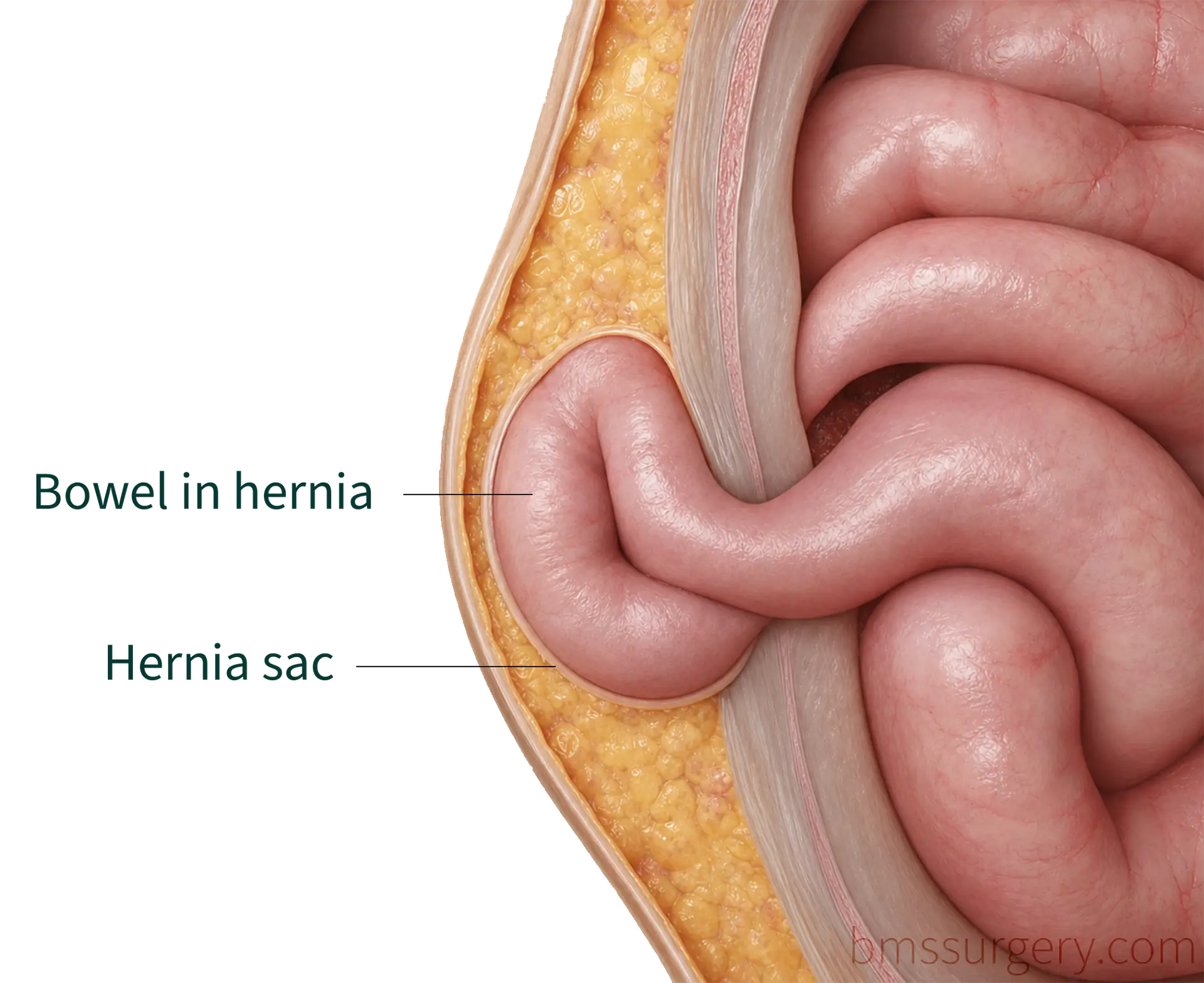
2. How a hernia forms
A hernia develops when fat or part of the bowel pushes through a weak area or opening in the abdominal wall. This creates a lump or bulge, which may become more noticeable when you stand, cough or strain.

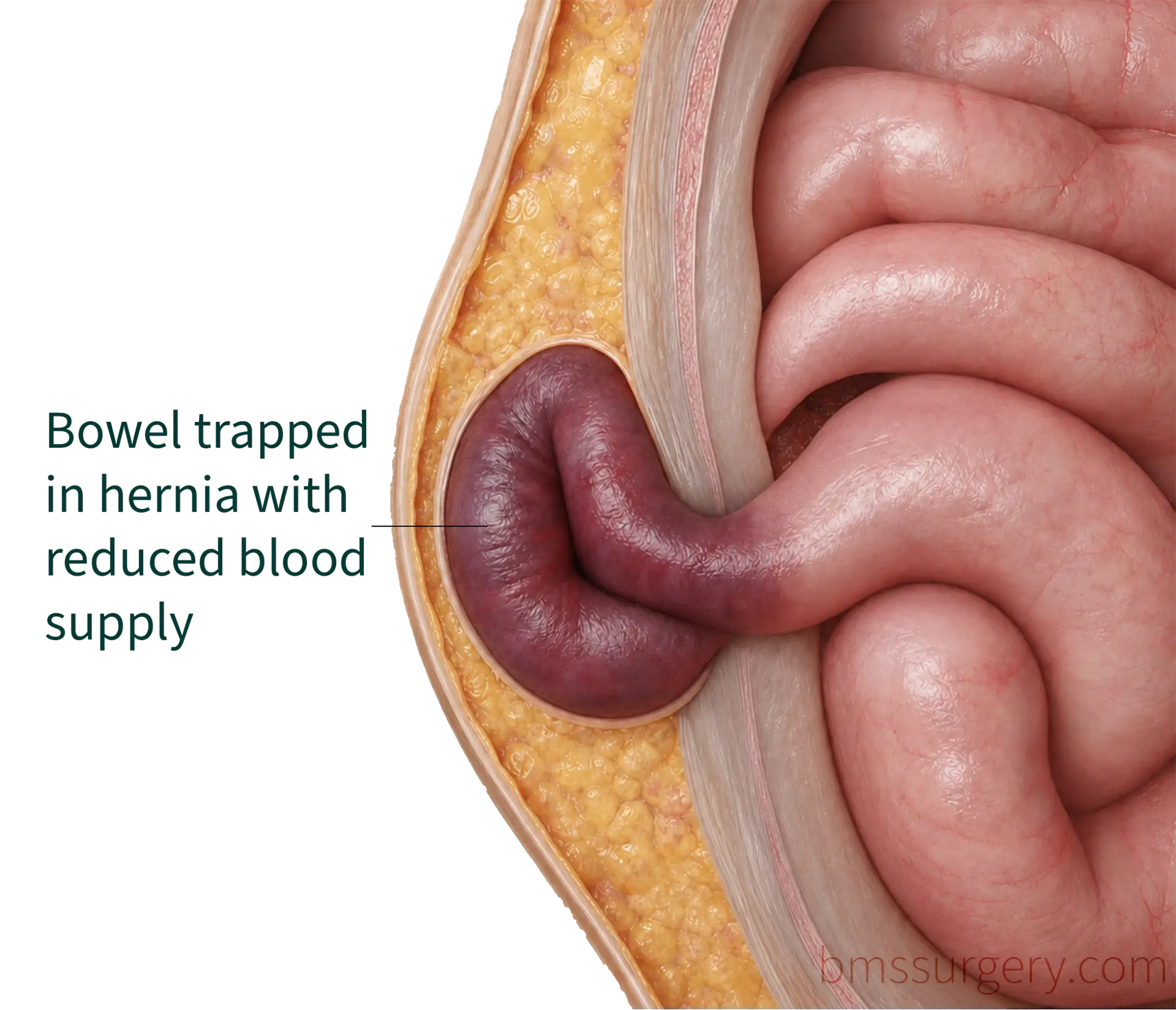
3. When a hernia is trapped
Sometimes, bowel or other tissue becomes trapped in the opening and cannot return to the abdomen. This can cause pain or bowel blockage. If its blood supply is reduced or cut off, the hernia is strangulated and requires emergency treatment.
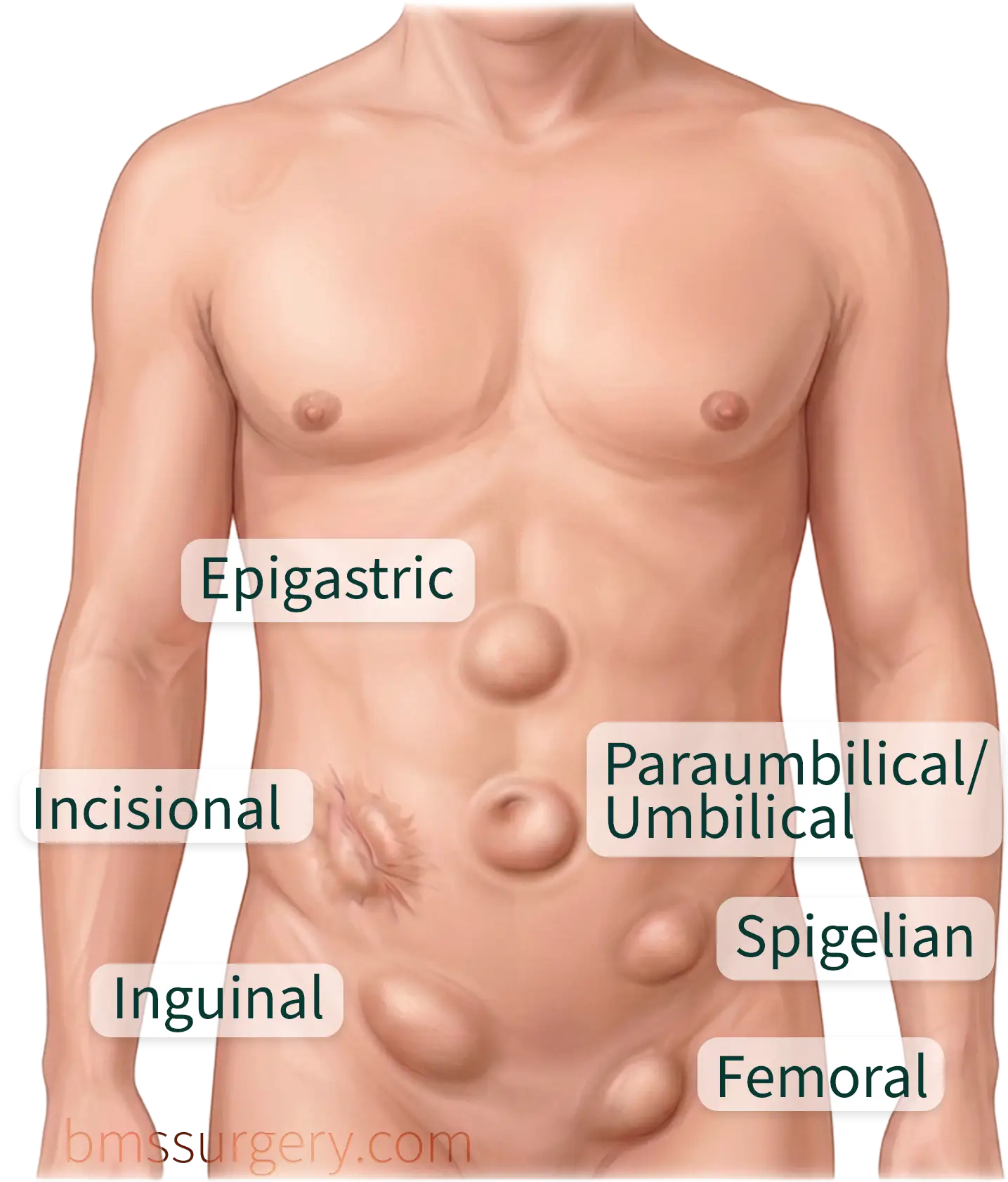
Types of hernias
Inguinal (groin)
Femoral
Incisional
Umbilical
Epigastric
Spigelian
Recurrent
Evidence based care, tailored to each patient
ABOUT MR STUTCHFIELD
Mr Ben Stutchfield is a consultant transplant and general surgeon at the Royal Infirmary in Edinburgh, where he performs liver transplantation, works within the specialist hernia team and performs gallbladder surgery. He brings this experience and expertise to his private practice, offering evidence-based care tailored to each person.
Read more
Appointed as a consultant in 2019, Mr Stutchfield trained extensively in transplantation, biliary, and hernia surgery and holds a PhD in regenerative medicine from the University of Edinburgh.Â
He specialises in hernia repair, abdominal wall reconstruction, and gallbladder (gallstone) surgery, offering both minimally invasive laparoscopic (keyhole) and open procedures at Spire Murrayfield and Shawfair Park Hospitals
His current research interests include abdominal wall reconstruction techniques as well as understanding how algorithms and clinicians can best interact to improve patient outcomes. He has published research in the Lancet as well as other specialist journals. He serves as a reviewer for several specialist surgical journals.Â
His focus is on delivering safe, effective and personalised treatment using the latest surgical techniques to achieve the best possible outcomes for patients.Â
Understanding hernias and hernia surgery
What is a hernia?
The abdominal wall is made up of muscles and fibrous tissue that hold your organs in place. A hernia develops when part of an organ (usually bowel/intestines) or fat pushes through a weak spot. This can cause a visible lump, discomfort, or pain — especially when lifting, coughing, or standing for long periods. Bowel and fat from within the abdomen can pass into the hernia and there is a risk that the hernia could strangulate.
Could a hernia be causing my symptoms
Hernias often cause a visible lump or bulge, which may ache, feel heavy, or cause a discomfort when standing, lifting, or coughing. Some people experience burning, pressure, or a dragging sensation. Symptoms can vary with activity and may improve when lying down. In some cases, hernias cause no symptoms at all.
How is a hernia diagnosed?
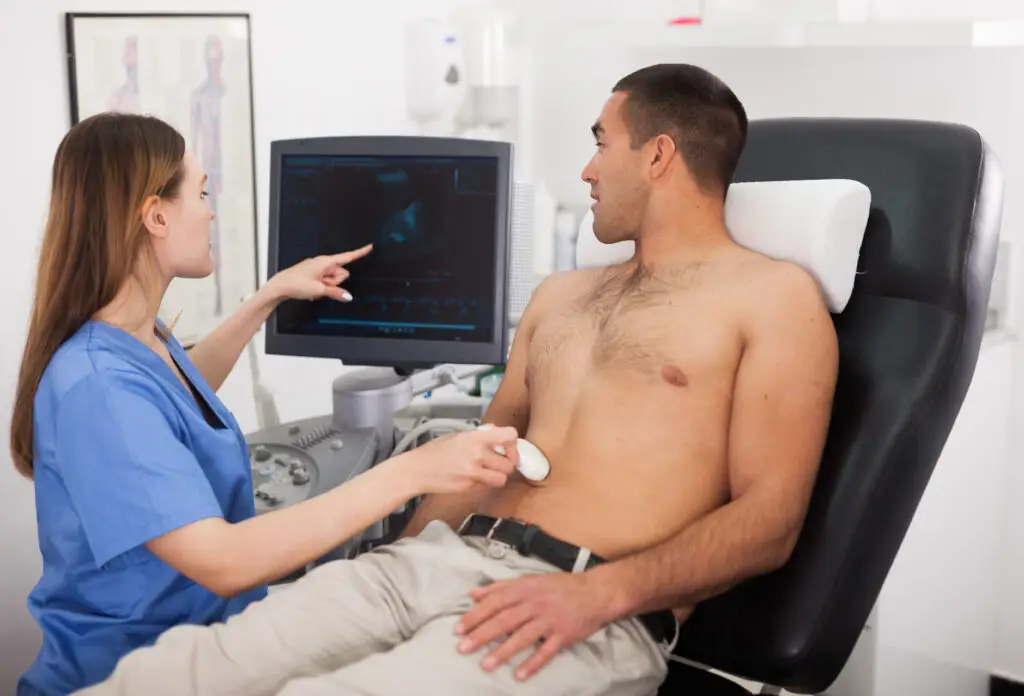
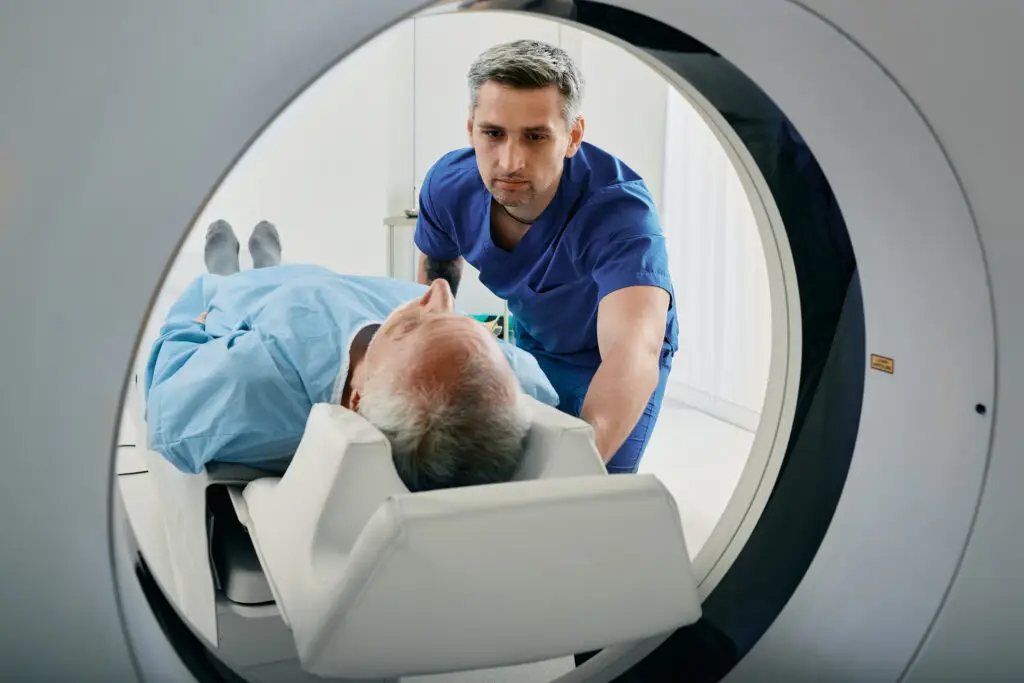
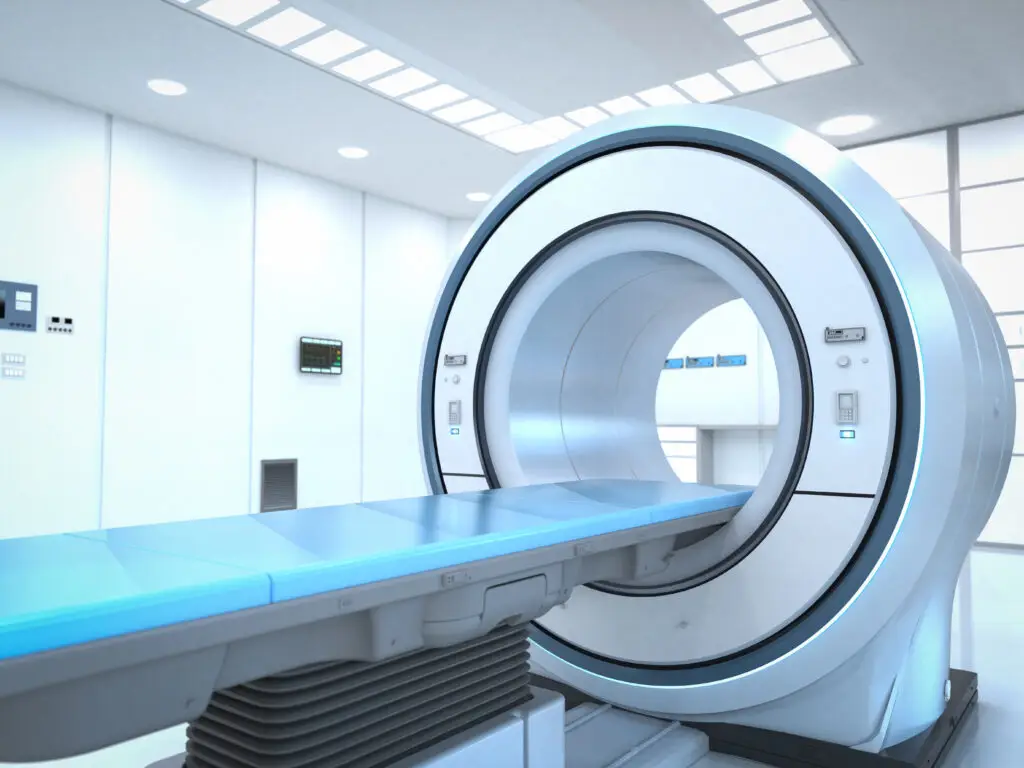
Hernias are usually diagnosed by examination and scans are often not required. Scans may be useful to help confirm the type or extent of the hernia and plan the best course of action. Ultrasound is commonly used for groin or abdominal hernias. CT scans give detailed views of complex or hidden hernias. MRI may be used for pelvic or groin hernias not visible on other scans or to see if there is another cause of the pain.
Hernia treatment options
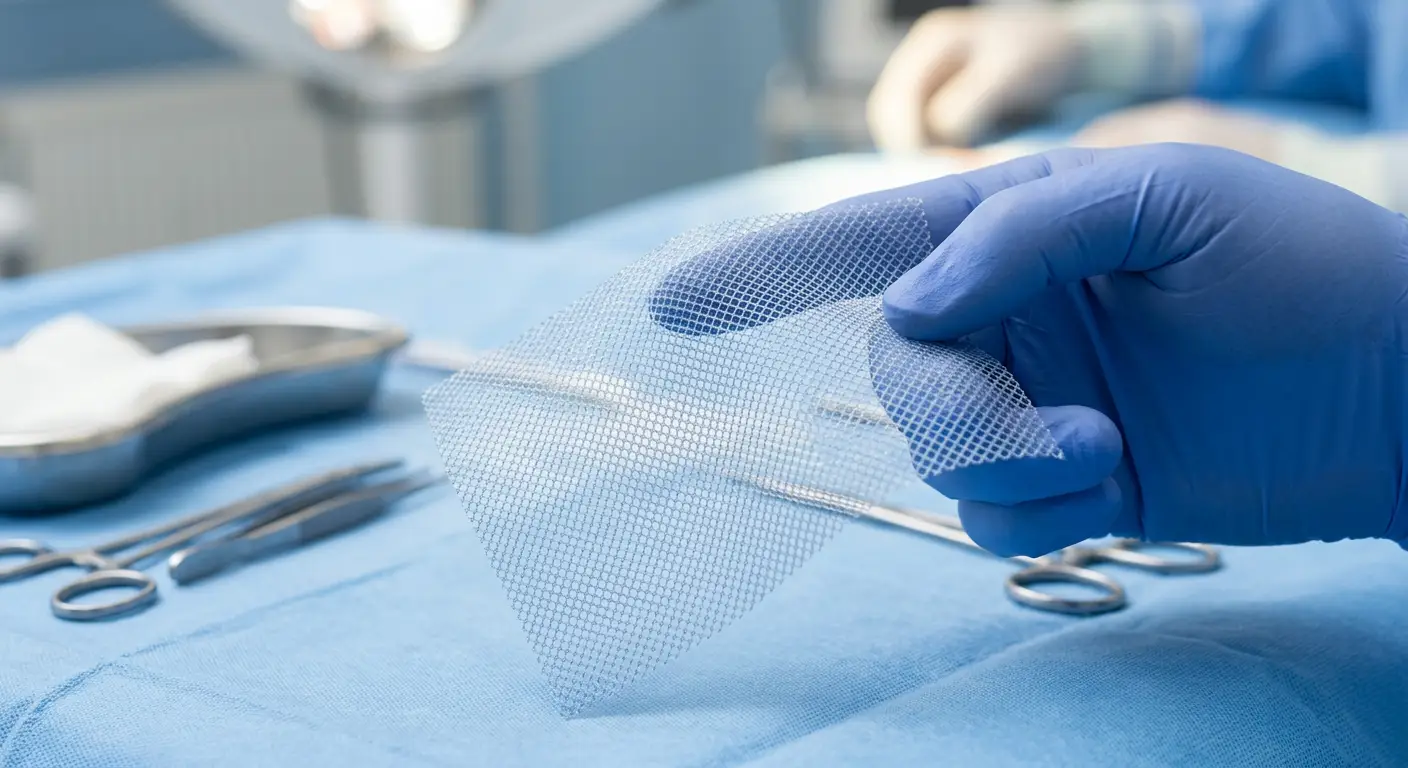
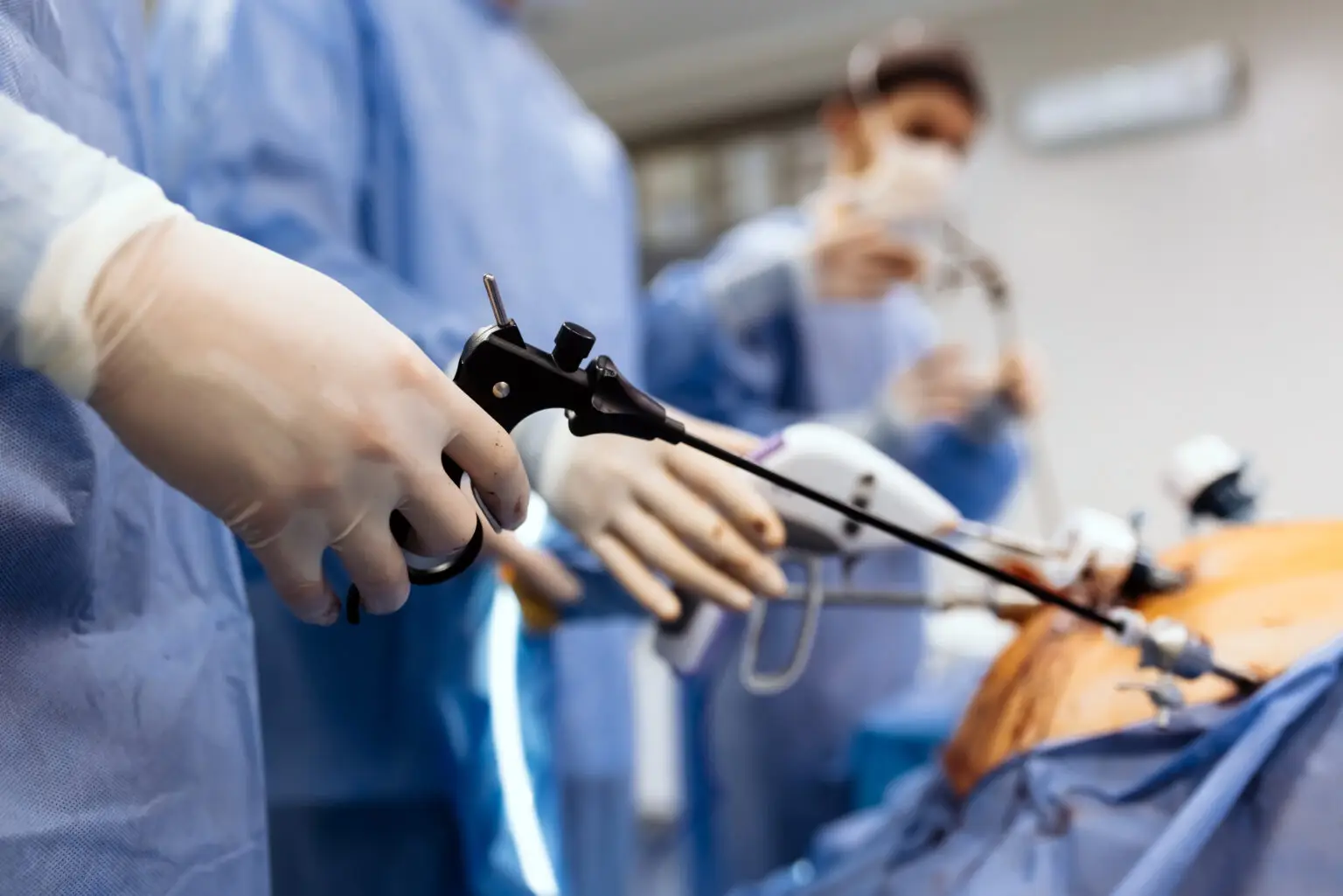
 Hernia repair can be carried out through open surgery or keyhole (laparoscopic) surgery. Hernia repairs often use a mesh to strengthen the area and reduce recurrence. Keyhole surgery involves smaller cuts and can speed up recovery. Open surgery may be better for larger or complex hernias or hernias in certain locations and situations.Â
Balancing the risks and benefits of hernia surgery
Hernias are common and surgery is not recommended for everyone. Balancing the risks means weighing the chance of ongoing or worsening symptoms and complications related to the hernia against the risks of surgery. Hernias that are not causing any symptoms can generally be left alone. If hernias become symptomatic then it is worth considering repair. Weight loss may improve hernia symptoms and mean some people with symptomatic hernias could avoid surgery altogether.
With surgery
Hernia repair is generally safe, but like all procedures, it carries risks. Risks include being worse after surgery than before, bleeding, infection, recurrence of the hernia and damage to other structures. Some patients may develop swelling caused by a fluid collection. There is a risk of chronic or longstanding pain following surgery.
Without surgery
If left untreated, a hernia may gradually enlarge and become more uncomfortable. There’s a risk of tissue becoming trapped or strangulated, which can be serious and require emergency surgery. Some hernias may cause bowel blockage or limit daily activities.
Frequently asked questions
Is it possible to avoid surgery?
Yes. If a hernia is not causing any symptoms or the symptoms are mild then it may be best to avoid surgery altogether. Sometimes a hernia belt or truss/support can provide symptomatic relief.
Is mesh safe to use for hernia repair?
Thousands of patients undergo hernia repair with mesh each year in Scotland alone. Large studies have shown that mesh repair is a safe and effective way to treat hernias. The mesh reinforces the abdominal wall and reduces the risk of the hernia coming back. If a hernia does recur, further surgery may be more complex and can carry greater risks. Like all operations, mesh repair is not without potential complications. It’s important to consider the risks and benefits carefully, and to make a decision based on your individual circumstances after assessment and discussion in clinic.
How long is the recovery after surgery?
For groin hernias and smaller abdominal wall hernias we generally advise two week off work. Everyone is different and some people are back to work sooner. It is important to avoid heavy lifting for 6-8 weeks as the strength of the hernia repair develops as the body heals.
When can I get back to driving?
Before getting back to driving people must be able to safely perform an emergency stop without any pain or discomfort.
When can I fly?
There is always a risk of developing blood clots after surgery, particularly during periods of limited movement such as long flights. It is generally advisable to wait at least two weeks after surgery before flying. However, individual circumstances vary, so it is important to discuss your specific situation with your surgeon before making travel plans.
You can read more about hernias and their treatment on this NHS website. This official guidance explains symptoms, when surgery may be needed, and what to expect from hernia surgery.
Mr Stutchfield is an approved provider to leading health insurers. If you are insured with another provider, please get in touch to confirm cover.