
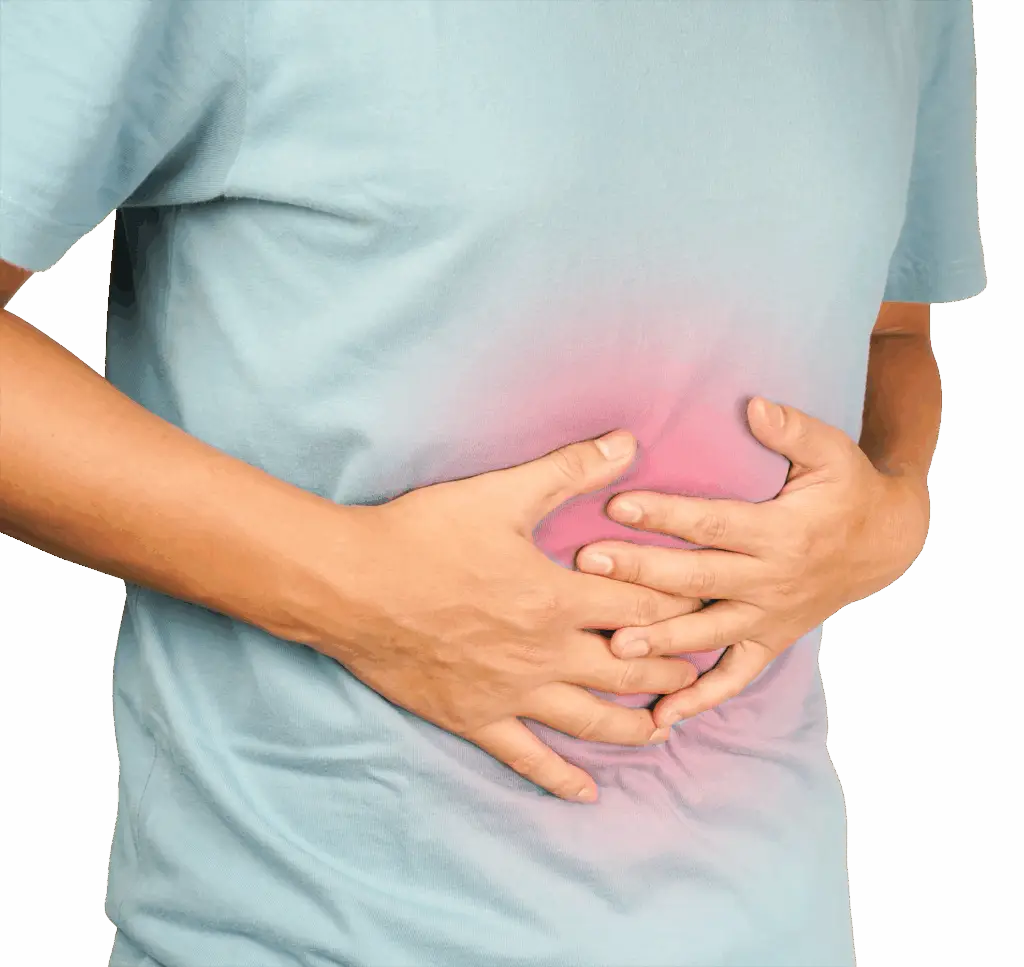
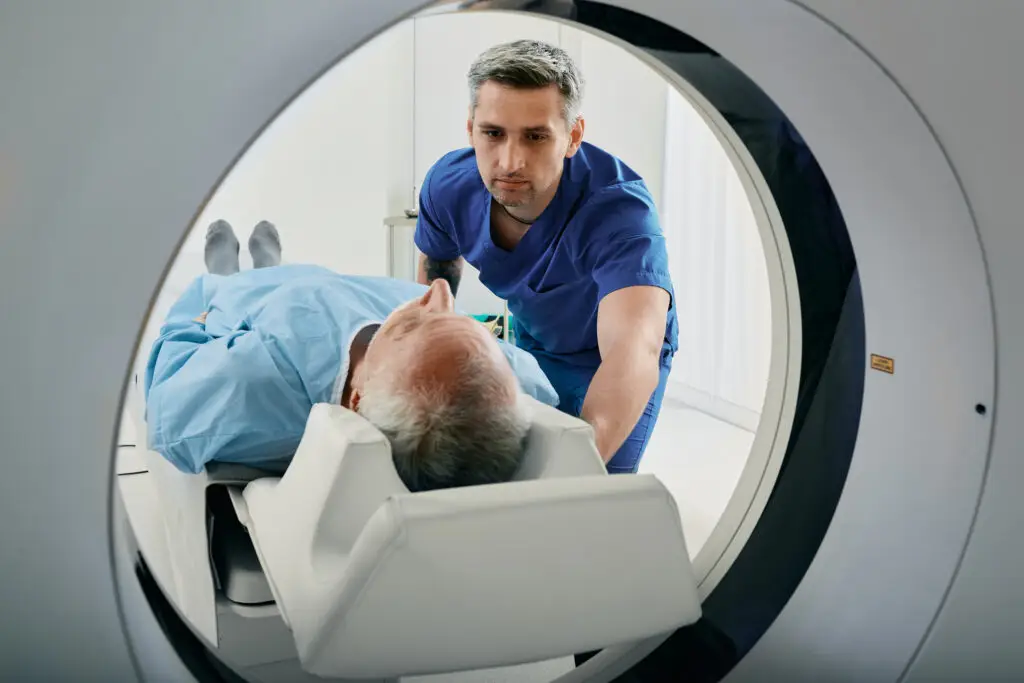
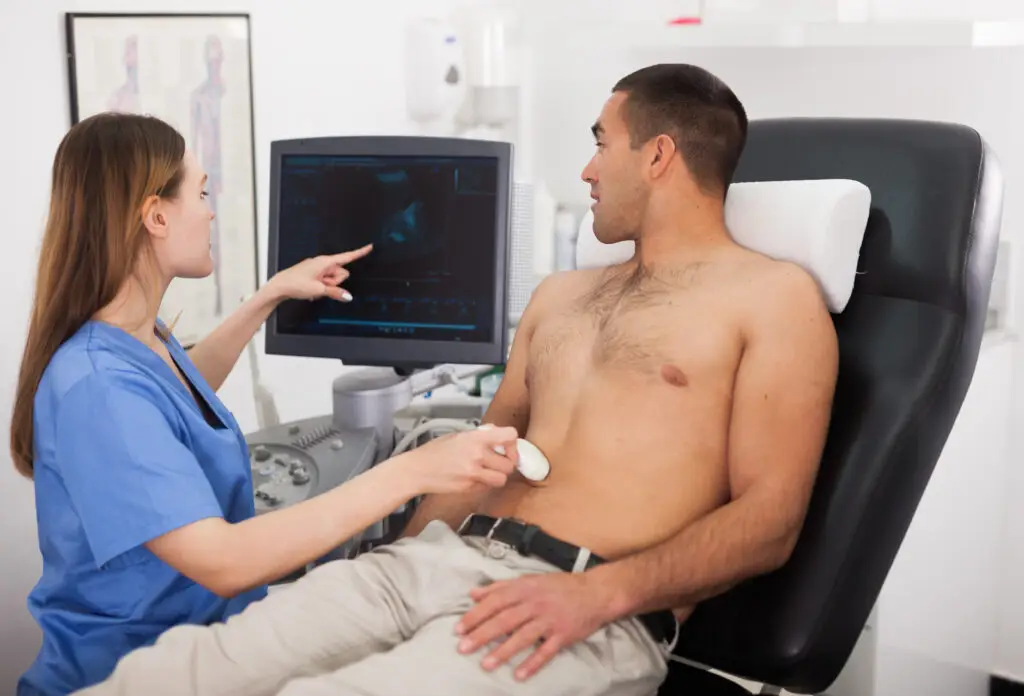










At your clinic review, a detailed assessment will be undertaken to understand your condition and decide the best next steps together. This will include listening to your symptoms, reviewing your medical history, and performing an examination. For most patients this will be enough to make a plan for the best course of action. Sometimes blood tests may be needed, and scans such as ultrasound, CT, or MRI may be arranged to provide further information. If surgery is being considered, the potential procedure will be explained along with the possible risks and benefits. People view risks in different ways, so it is important to consider these carefully in the context of your own circumstances and overall health.
Good preparation helps the day of surgery run smoothly and can make the experience less stressful. If surgery is advised, you will be given clear guidance on how to get ready. You may also meet the pre-operative assessment team or an anaesthetist, who will review your general health and regular medications, suggesting any adjustments needed. Some patients may require additional blood tests or heart tracings. Stopping smoking, eating healthily, and staying active in the weeks beforehand can make you feel stronger and aid recovery. Planning support at home for the first few days afterwards may be helpful.


After surgery, most people are able to return home the same day or within 24 hours. Recovery times vary from person to person, and it is important to listen to your body. Pain is usually well controlled with simple tablets, and gentle movement is encouraged from the day of surgery. However, pushing too hard can slow progress, so pacing yourself is key. You should only drive once you feel confident and can safely perform an emergency stop. Light activity can be increased gradually, avoiding too much strain on the wounds. Most people take around two weeks off work, but advice is tailored to each individual. Return to full activity by 6-8 weeks.

Hernia repair surgery aiming to alleviate discomfort, reduce risks and improve quality of life.

Keyhole gallbladder removal to relieve pain and prevent serious complications.

Consultations to provide personalised care plans tailored to your needs.

Assessment and treatment of lumps and bumps to ensure your health and peace of mind.